Exploring the realm of HVAC tune-ups near you, this introduction delves into the crucial aspects of maintaining your system for optimal performance. Discover the importance of regular tune-ups and how they can enhance the efficiency and longevity of your HVAC system.
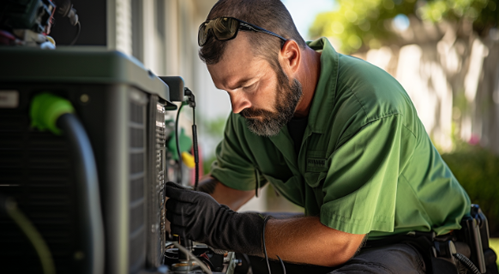
As we navigate through the details of what an HVAC tune-up entails and the signs that indicate when your system needs one, you'll gain valuable insights to ensure your HVAC system operates at its best.
Importance of HVAC Tune-Up
Regular HVAC tune-ups are crucial for maintaining the efficiency of your system. By scheduling professional maintenance, you can ensure that your HVAC system is operating at its optimal level, providing you with the comfort you need while also saving you money in the long run.
Benefits of Professional HVAC Tune-Up
- Improved Energy Efficiency: A well-maintained HVAC system operates more efficiently, reducing energy consumption and lowering your utility bills.
- Enhanced Comfort: Regular tune-ups help ensure that your system is providing consistent heating and cooling throughout your home, keeping you comfortable year-round.
- Prevent Costly Repairs: By catching minor issues early on, professional maintenance can prevent major breakdowns that could result in expensive repairs.
- Extended Lifespan: Regular maintenance can help prolong the life of your HVAC system, delaying the need for a costly replacement.
What is Included in an HVAC Tune-Up
During an HVAC tune-up, several components are typically checked to ensure the system is running efficiently and effectively.
Components Checked During an HVAC Tune-Up
- Filters: Cleaning or replacing filters is crucial to maintain good indoor air quality and prevent strain on the system.
- Coils: Cleaning the evaporator and condenser coils helps improve cooling efficiency and reduce energy consumption.
- Refrigerant Levels: Checking refrigerant levels ensures proper cooling capacity and prevents system malfunctions.
- Electrical Connections: Inspecting and tightening electrical connections helps prevent system failures and ensures safety.
- Thermostat Calibration: Ensuring the thermostat is calibrated correctly helps maintain consistent and comfortable temperatures.
Signs That Indicate the Need for an HVAC Tune-Up
Regular maintenance of your HVAC system is crucial to ensure it operates efficiently and effectively. Ignoring signs that indicate the need for a tune-up can lead to costly repairs or even system failure. Here are some common indicators that suggest your HVAC system requires a tune-up:
Unusual Noises or Odors
Strange noises such as banging, rattling, or squealing coming from your HVAC system can be a sign of mechanical issues that need attention. Similarly, musty or burning odors could indicate problems with the system that require immediate maintenance
.
Reduced Airflow
If you notice a decrease in airflow from your vents, it could be due to clogged filters, ductwork issues, or a failing blower motor. Reduced airflow not only affects the comfort levels in your home but also puts additional strain on the system, potentially leading to more significant problems.
Inconsistent Heating/Cooling
If certain areas of your home are not receiving adequate heating or cooling, it could be a sign of a malfunctioning thermostat, dirty coils, or refrigerant leaks. Inconsistent temperature levels throughout your home indicate that your HVAC system is struggling to maintain the desired comfort settings.
DIY HVAC Maintenance Tips
Maintaining your HVAC system is crucial to ensure its efficiency and longevity. By performing some basic maintenance tasks yourself, you can help prevent costly repairs and keep your system running smoothly. Here are some tips for DIY HVAC maintenance:
Regularly Change Filters
One of the most important tasks you can do is to regularly change your HVAC filters. Clogged or dirty filters can restrict airflow, causing your system to work harder and potentially leading to breakdowns. Make sure to check your filters every 1-3 months and replace them as needed.
Keep Outdoor Unit Clear
It's essential to keep the area around your outdoor unit clear of debris, leaves, and other obstructions. This ensures proper airflow and prevents the unit from overheating. Trim any vegetation and maintain a clearance of at least 2 feet around the unit.
Safely Clean Coils and Vents
Regularly cleaning the coils and vents in your HVAC system can help improve its efficiency. Use a soft brush or vacuum to remove dust and debris from the coils, and check the vents for any blockages. Ensure the power is off before cleaning and avoid using harsh chemicals that could damage the components.
Final Wrap-Up
In conclusion, prioritizing HVAC tune-ups near you is not just about immediate benefits but also about safeguarding the longevity and functionality of your system in the long run. By understanding the key components and signs that necessitate a tune-up, you can ensure your HVAC system operates smoothly and efficiently.
FAQ Guide
What are the benefits of scheduling a professional HVAC tune-up?
Professional HVAC tune-ups can improve system efficiency, reduce energy costs, and extend the lifespan of your HVAC system.
How often should HVAC coils and filters be cleaned during a tune-up?
HVAC coils and filters should be cleaned at least once a year to maintain optimal performance.
What are the common indicators that suggest an HVAC system needs a tune-up?
Unusual noises, odors, reduced airflow, or inconsistent heating/cooling are common signs that indicate the need for an HVAC tune-up.
Why is it important to change HVAC filters regularly?
Regularly changing HVAC filters improves air quality, prevents system breakdowns, and enhances overall efficiency.
How can homeowners safely clean HVAC components like coils and vents?
Homeowners can safely clean HVAC components by turning off the system, using gentle cleaning solutions, and ensuring proper ventilation.



