Step into the world of modern flat roof house designs by award winning architects where innovation meets elegance. Discover the unique blend of style and functionality that defines these architectural marvels.
From the sleek lines to the use of cutting-edge materials, each detail is carefully crafted to create a living space that is both visually stunning and environmentally conscious.
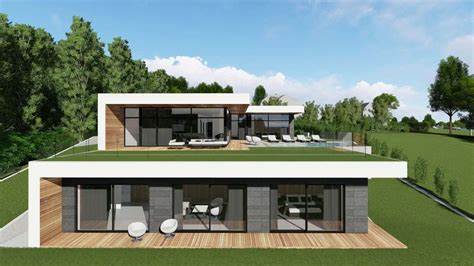
Modern Flat Roof House Designs Overview
Modern flat roof house designs are characterized by their clean lines, minimalistic aesthetic, and contemporary appeal. These designs often feature large windows, open floor plans, and a focus on simplicity and functionality.
Choosing a flat roof design for a modern house offers several advantages. Firstly, flat roofs provide more usable space on top for rooftop gardens, solar panels, or outdoor living areas. They also create a sleek, modern look that complements the overall design of the house.
Additionally, flat roofs are easier to maintain and repair compared to traditional pitched roofs.
Comparison with Traditional Pitched Roof Designs
- Modern flat roof designs typically have a more streamlined and minimalist appearance compared to the traditional pitched roof designs, which often have gables, slopes, and eaves.
- Flat roofs are more cost-effective to construct and require fewer materials than pitched roofs, making them a practical choice for modern homeowners.
- Traditional pitched roofs are known for their classic and timeless appeal, while flat roofs offer a more contemporary and cutting-edge look.
Award-Winning Architects in Modern Flat Roof House Design
When it comes to modern flat roof house designs, there are several renowned architects who have made a significant impact in the field. These award-winning architects have pushed the boundaries of traditional architecture and brought a fresh perspective to the modern architectural landscape.
Renowned Architects and Their Signature Styles
- 1. Richard Meier: Known for his minimalist approach, Richard Meier is a Pritzker Prize-winning architect whose designs often feature clean lines, geometric shapes, and a focus on natural light. His flat roof designs are characterized by their simplicity and elegance.
- 2. Zaha Hadid: A visionary architect known for her innovative and futuristic designs, Zaha Hadid's work often challenges conventional ideas of form and space. Her flat roof designs are bold, dynamic, and incorporate avant-garde elements.
- 3. Tadao Ando: Renowned for his use of concrete and light, Tadao Ando's designs are a harmonious blend of nature and architecture. His flat roof houses exude a sense of serenity and timelessness.
Influence on Modern Architectural Landscape
- These award-winning architects have significantly influenced the modern architectural landscape with their flat roof house designs by redefining the concept of contemporary living spaces.
- Their innovative use of materials, incorporation of sustainable design principles, and emphasis on functionality have set new standards for modern architecture.
- By challenging traditional notions of form and structure, these architects have inspired a new generation of designers to think outside the box and push the boundaries of what is possible in architectural design.
Elements of Modern Flat Roof House Designs
Modern flat roof house designs are characterized by several key elements that set them apart from traditional designs. These elements focus on simplicity, clean lines, and the use of modern materials.
Use of Materials
In modern flat roof house designs, materials such as glass, steel, and concrete are commonly used to create a sleek and minimalist aesthetic. Glass is often incorporated to maximize natural light and create a seamless connection between indoor and outdoor spaces.
Steel is used for structural support and to add a touch of industrial flair. Concrete is chosen for its durability and versatility in creating a contemporary look.
Natural Light and Ventilation
Natural light and ventilation play a crucial role in modern flat roof house designs. Large windows, skylights, and open floor plans are utilized to bring in abundant natural light and create a bright and airy atmosphere. Proper ventilation is achieved through strategically placed windows, doors, and ventilation systems to ensure a comfortable and healthy living environment.
Sustainability in Modern Flat Roof House Designs
In the realm of modern architecture, sustainability has become a key focus in designing flat roof houses. These eco-friendly features not only reduce the environmental impact of the building but also contribute to energy efficiency and long-term sustainability.
Eco-Friendly Features in Modern Flat Roof Houses
- Green roofs: Incorporating vegetation on the roof not only provides insulation but also helps reduce stormwater runoff and improve air quality.
- Solar panels: Utilizing solar energy for electricity production can significantly reduce the reliance on fossil fuels and lower energy costs over time.
- High-performance windows: Energy-efficient windows help regulate temperature, reduce heat loss, and minimize the need for artificial heating and cooling.
- Rainwater harvesting: Collecting rainwater for non-potable uses like irrigation can reduce water consumption and ease the burden on municipal water systems.
Sustainable Practices in Design and Construction
- Use of recycled materials: Incorporating recycled and sustainable materials in construction reduces waste and promotes a circular economy.
- Passive design strategies: Orientation, insulation, and natural ventilation are key elements that optimize energy efficiency and reduce the need for mechanical heating and cooling systems.
- Energy-efficient appliances: Installing energy-efficient appliances and fixtures can further reduce energy consumption and environmental impact.
Impact on Energy Efficiency and Environmental Sustainability
- Reduced energy consumption: The integration of sustainable features in modern flat roof houses leads to lower energy bills and decreased carbon footprint.
- Improved indoor comfort: Proper insulation, ventilation, and natural lighting enhance the quality of living spaces while reducing the reliance on artificial heating and cooling.
- Long-term environmental benefits: By incorporating sustainable practices in design and construction, modern flat roof houses contribute to a healthier environment and promote a more sustainable way of living.
End of Discussion
As we conclude our journey through the realm of modern flat roof house designs by award winning architects, we are left with a profound appreciation for the artistry and vision that shapes our built environment. Each structure stands as a testament to the creativity and ingenuity of those who dare to push the boundaries of architectural design.
Common Queries
What are the advantages of choosing a flat roof design for a modern house?
Flat roof designs offer a sleek and modern aesthetic, provide additional outdoor living space, and allow for easier maintenance compared to pitched roofs.
How do award-winning architects influence the modern architectural landscape with their flat roof designs?
Award-winning architects set trends, inspire new design concepts, and challenge traditional norms by incorporating innovative elements in their flat roof designs.
What eco-friendly features are often found in modern flat roof houses?
Modern flat roof houses often feature solar panels, green roofs, energy-efficient windows, and sustainable building materials to promote environmental sustainability.



